Community Outreach
Want to help homeschooling integrate into the community at large? Are you a homeschool group leader who talks with the media or provides information to new and curious homeschoolers? Here are tips to help you present homeschooling to the public and the media.
Community Outreach: Talking About Homeschooling
How the Media Gets It Wrong About Homeschooling
Homeschoolers have gotten their share of bad coverage in the media and in popular culture in the last few years. The publicity on homeschooling runs from atrocious mischaracterization to humorously stereotypical.
An Open Letter to My Non-Homeschooling Friends
It can be difficult for friends to understand the changes and challenges a homeschooling family faces. This mom shares her reasons for homeschooling and why her relationship with them is different now.
Marketing to Homeschoolers with Podcasts
With podcasts you have a chance to reach a new component of the homeschool audience that you might not reach via newsletters, blog posts, or social media. This video details three advantages to marketing through podcasts.
Marketing to Homeschoolers with Social Media
How homeschoolers interact with social media. Myths about using social media for marketing to the homeschool audience. Social media preferences for the homeschool market.
The Case for Homeschooling
The public schools are beyond repair. If it is not practical to replace the current system, then at least let those alone who wish to homeschool. Hassle them not. Instead, encourage them and help them. Parents who homeschool their children have three basic complaints against public schools: the lack of academic rigor, the number of maladjusted graduates, and the anti-religious atmosphere. Homeschool advocates claim that homeschooling overcomes these problems. They argue that no matter whether the educational philosophy one holds is that schooling prepares for life or schooling is life, the homeschooled do better. Proponents also claim that private schools are nearly always similar to public schools, so the fundamental criticisms of public schools apply to private schools also, although to a lesser degree.
Homeschooling Goes Mainstream
A transcript for an appearance by Celeste Land on the Kojo Nnamdi Show where she discussed the homeschooling movement. Celeste is VaHomeschoolers' Director of Government Affairs. The program touched on the many and varied reasons why families choose homeschooling, from concerns with the school environment to a desire for a tailored educational approach or a wish to keep the family at the center of a child’s upbringing. The show also addressed a common stereotype of homeschoolers by pointing out that while many families that choose home education consider their faith to be a very important part of their lives, homeschooling families come from diverse religious backgrounds, and religious homeschoolers do not necessarily choose homeschooling for religious reasons. A great example of how to interact with the media for a positive discussion about home education. Also available via podcast at Homeschooling Goes Mainstream.
Nine Ways to Make Your Public Library More Homeschool-Friendly
The number of homeschoolers has grown seven times faster than the number of students attending public schools over the last couple of decades. What does this mean for public libraries? Homeschooling families have always turned to libraries to supplement their educational needs, so as homeschooling increases nationwide, the number of homeschooling patrons will increase as well. There are several steps your public library can take to become more homeschool-friendly.
Homeschooling in the Media
A more complex understanding of homeschooling is emerging in the mainstream media these days. No longer is homeschooling either all good or all bad. Simultaneously, there is a growing appreciation that most homeschoolers do a fine job raising and teaching their children, but that there are a few parents homeschooling children in order to hide abuse.
Homeschooling Advocacy Step by Step
Advocacy is for everyone. Any concerned parent can become an advocate for homeschooling freedoms. And so can you. This series of five articles will walk you through the steps you can take to become an effective advocate for homeschooling in your community.
What is a Media Kit and How Do I Make One?
A media kit is a document you provide to potential advertisers and other parties you are interested in working with information about your value as a partner. It is meant to reflect your reach as a blogger. A media kit can be as simple as an ad page with basic blog and social media numbers or as complex as a full-blown demographic study of your readers printed and bound. Whatever kind of media kit you choose to create, remember to be clear and concise.
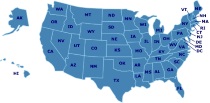
Looking for Another State?
Featured Resources
As an Amazon Associate, we earn from qualifying purchases. We get commissions for purchases made through links on this site.
Explode The Code
Explode The Code provides a sequential, systematic approach to phonics in which students blend sounds to build vocabulary and read words, phrases, sentences, and stories. Frequent review of previously learned concepts helps increase retention. Each workbook in this series contains exercises that incorporate reading, writing, matching and copying. The consistent format of the books helps facilitate independent work. This series includes primers—Get Ready for The Code, Get Set for The Code, and Go...

Kids' Poems (Grades 1)
Regie Routman shares her delightful selection of free verse poems written by first graders that will inspire your second graders to think, I can write poems like this too! Regie provides strategies for using kids' poems as models to guide children to write poems about things they know and care about: learning to skate, disliking asparagus, playing with a best friend, and more. She describes the way she invites children to study the model poem, beginning by asking kids, What do you notice? She sh...

Minds More Awake: The Vison of Charlotte Mason
Anne E. White explores what is known as the Charlotte Mason, based on the educational philosophy of the 19th century British educator. The goal is to set a child on the path to an intentional, purposeful life. White explores both the practical and philosophical understanding the Mason's practices. White includes lots of examples of how to use these ideas in your own homeschooling.

I Learn Better by Teaching Myself/Still Teaching Ourselves
Take a look at how a homeschooling mother learned to trust her children-and herself-to learn in new ways. Tag along on the journey from the elementary years through high school as this book explore the success and freedom of unstructured learning. These books are especially good for anyone wrestling with the question of "how much structure should there be in a homeschool?"

Great Lodges of the National Parks: The Companion Book to the PBS Television Series
Stand amid soaring Douglas fir in the great hall of Glacier Park Lodge or sit in the setting sun and gaze into the Grand Canyon at El Tovar. This beautiful gift book will transport you to the majestic lodges of our national parks to relive the glory of past vacations or plan adventures anew. This book and the PBS television series of the same title (to air in spring 2002) take armchair travelers into these architectural wonders and explore the surrounding natural beauty of our national parks. Lo...