Geology
Rocks and minerals can be found in your own backyard. Explore the world around you and learn about the history of the formation of the Earth by studying geology. We've gathered resources to make it fun and interesting.
Things to See & Do in South Dakota
Jewel Cave National Monument
With more than 129 miles surveyed, Jewel Cave is recognized as the third longest cave in the world. Airflow within its passages indicates a vast area yet to be explored. Cave tours provide opportunities for viewing this pristine cave system and its wide variety of speleothems including stalactites, stalagmites, draperies, frostwork, flowstone, boxwork and hydromagnesite balloons. The cave is an important hibernaculum for several species of bats. Located west of Custer, South Dakota.
Missouri National Recreational River
Missouri National Recreational River offers natural beauty: the forested buff-colored chalkstone bluffs to gently rolling range bottomland; the brilliant white of migrating pelicans to the rich blues of prairie asters; the soaring majesty of resident bald eagles to fleeting glimpses of the wily red fox. It offers an exciting past for your enjoyment and enrichment, from Plains Indian tribes to Lewis and Clark to steamboat captains such as Grant Marsh. Here, you can experience the dynamic character of the river's ever-changing nature, with its islands, shifting sandbars, sloughs, and treacherous, deadly snags. Both the upper 39-mile reach and the lower 59-mile reach along the Nebraska-South Dakota border combine to form one of few sections of this once vast ecosystem along the "Big Muddy" that remains in a relatively natural state.
Wind Cave National Park
One of the world's longest and most complex caves and 28,295 acres of mixed-grass prairie, ponderosa pine forest, and associated wildlife are the main features of the park. The cave is well known for its outstanding display of boxwork, an unusual cave formation composed of thin calcite fins resembling honeycombs. The park's mixed grass prairie is one of the few remaining and is home to native wildlife such as bison, elk, pronghorn, mule deer, coyotes, and prairie dogs. Near Hot Springs, South Dakota.
Badlands National Park
Located in southwestern South Dakota, Badlands National Park consists of 244,000 acres of sharply eroded buttes, pinnacles and spires blended with the largest, protected mixed grass prairie in the United States. The Badlands Wilderness Area covers 64,000 acres and is the site of the reintroduction of the black-footed ferret, the most endangered land mammal in North America. The Stronghold Unit is co-managed with the Oglala Sioux Tribe and includes sites of 1890s Ghost Dances. Established as Badlands National Monument in 1939, the area was redesignated "National Park" in 1978. Over 11,000 years of human history pale to the ages old paleontological resources. Badlands National Park contains the world's richest Oligocene epoch fossil beds, dating 23 to 35 million years old. Scientists can study the evolution of mammal species such as the horse, sheep, rhinoceros and pig in the Badlands formations.
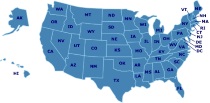
Looking for Another State?
Featured Resources
As an Amazon Associate, we earn from qualifying purchases. We get commissions for purchases made through links on this site.

Miserly Moms: Living on One Income in a Two-Income Economy
Save Thousands of Dollars a Year Jonni McCoy and her family are proof that you live on one income. The McCoys made a successful transition from two incomes to one while living in one of the most expensive parts of America: the San Francisco Bay Area. Her Miserly Guidelines will help you save thousands of dollars a year on everything from groceries to electricity to insurance and household cleaners—as well as reveal the hidden costs of holding a job and common money wasters. Her practical,...
A Reason For® Spelling
A Reason For® Spelling combines the latest research on how children learn to spell with all the strengths of traditional programs. It teaches highfrequency base words, plus hundreds of other word forms. Values-based stories set the theme each week and help make spelling fun. You'll find product information about A Reason For® Spelling here.

Right-Brained Children in a Left-Brained World: Unlocking the Potential of Your ADD Child
Understanding your child's learning style can help with challenges in learning, improving outcomes in reading, writing, and behavior. This book offers strategies for understanding your child's learning style and presents tools that you can use to become more successful in your homeschooling.

Cognitive Styles and Learning Strategies: Understanding Style Differences in Learning and Behaviour
First Published in 1998. Routledge is an imprint of Taylor & Francis, an informa company.

Homeschooling and Libraries: New Solutions and Opportunities
Homeschools are alwsy looking for alternative ways of schooling that do not necessarily reflect what a typical classroom looks like. Since homeschooling is so diverse across families, information institutions, including public, academic, school, and special libraries may find it challenging to meet all their needs and desires. This collection of essays offers approaches and strategies from library professionals and veteran homeschoolers on how to best serve the needs and experiences of homeschoo...