Biology & Life Sciences
Learn about the human body, plant life, and the animal world. Come see the resources and ideas we've collected to make learning about biology interesting, easy, and fun. From preschool-aged to high school level, you'll find everything you need here.
Things to See & Do in South Dakota
Jewel Cave National Monument
With more than 129 miles surveyed, Jewel Cave is recognized as the third longest cave in the world. Airflow within its passages indicates a vast area yet to be explored. Cave tours provide opportunities for viewing this pristine cave system and its wide variety of speleothems including stalactites, stalagmites, draperies, frostwork, flowstone, boxwork and hydromagnesite balloons. The cave is an important hibernaculum for several species of bats. Located west of Custer, South Dakota.
Wind Cave National Park
One of the world's longest and most complex caves and 28,295 acres of mixed-grass prairie, ponderosa pine forest, and associated wildlife are the main features of the park. The cave is well known for its outstanding display of boxwork, an unusual cave formation composed of thin calcite fins resembling honeycombs. The park's mixed grass prairie is one of the few remaining and is home to native wildlife such as bison, elk, pronghorn, mule deer, coyotes, and prairie dogs. Near Hot Springs, South Dakota.
Missouri National Recreational River
Missouri National Recreational River offers natural beauty: the forested buff-colored chalkstone bluffs to gently rolling range bottomland; the brilliant white of migrating pelicans to the rich blues of prairie asters; the soaring majesty of resident bald eagles to fleeting glimpses of the wily red fox. It offers an exciting past for your enjoyment and enrichment, from Plains Indian tribes to Lewis and Clark to steamboat captains such as Grant Marsh. Here, you can experience the dynamic character of the river's ever-changing nature, with its islands, shifting sandbars, sloughs, and treacherous, deadly snags. Both the upper 39-mile reach and the lower 59-mile reach along the Nebraska-South Dakota border combine to form one of few sections of this once vast ecosystem along the "Big Muddy" that remains in a relatively natural state.
Great Plains Zoo & Delbridge Museum
Explore the animal world at the Great Plains Zoo in Sioux Falls. Offers animal exhibits, special exhibits, and educational programs.
Badlands National Park
Located in southwestern South Dakota, Badlands National Park consists of 244,000 acres of sharply eroded buttes, pinnacles and spires blended with the largest, protected mixed grass prairie in the United States. The Badlands Wilderness Area covers 64,000 acres and is the site of the reintroduction of the black-footed ferret, the most endangered land mammal in North America. The Stronghold Unit is co-managed with the Oglala Sioux Tribe and includes sites of 1890s Ghost Dances. Established as Badlands National Monument in 1939, the area was redesignated "National Park" in 1978. Over 11,000 years of human history pale to the ages old paleontological resources. Badlands National Park contains the world's richest Oligocene epoch fossil beds, dating 23 to 35 million years old. Scientists can study the evolution of mammal species such as the horse, sheep, rhinoceros and pig in the Badlands formations.
Bramble Park Zoo
At the Bramble Park Zoo, located in Watertown, experience over 500 mammals, birds, amphibians, reptiles, fish and invertebrates representing 130 varieties from around the world and those native to South Dakota.
Activities & Experiments
Handbook of Nature Study
Based on Charlotte Mason's method of education, this website offers ideas and resources for incorporation nature study into your homeschool.
Considering God's Creation
Life science truly comes alive with this 270-page lap-book style notebook for 2nd-7th graders. A Charlotte Mason type discovery approach is easily implemented with creative activities, music and topical Bible studies, making this program a perfect choice for a homeschool family or a classroom. It may be used as a stand-alone science course or as an invaluable supplemental resource for any other program.
ExploraVision
ExploraVision is a competition for all students in grades K-12 attending a school in the U.S., Canada, U.S. Territory or a Department of Defense school. Homeschooled students are eligible to enter. It is designed to encourage students to combine their imagination with their knowledge of science and technology to explore visions of the future. Teams of students select a technology, research how it works and why it was invented, and then project how that technology may change in the future. They must then identify what breakthroughs are required for their vision to become a reality and describe the positive and negative consequences of their technology on society. Winning ideas have focused on things as simple as ballpoint pens and as complex as satellite communications. The student teams write a paper and draw a series of Web page graphics to describe their idea. Regional winners make a Web site and a prototype of their future vision.
Arbor Day National Poster Contest
Join over 74,000 fifth grade classrooms and home schools across America in the Arbor Day National Poster Contest. The theme chosen will increase your students’ knowledge of how trees produce and conserve energy. The free Activity Guide includes activities to use with fifth grade students to teach the importance of trees in producing and conserving energy. These activities correlate with National Science and Social Study Standards. The Guide also includes all of the information you need for poster contest participation.
How I Teach a Large Family in a Relaxed, Classical Way: Science
Family style learning is a great way to tackle lots of different subjects, including science.
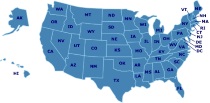
Looking for Another State?
Featured Resources
As an Amazon Associate, we earn from qualifying purchases. We get commissions for purchases made through links on this site.
A History of Science
A History of Science is not a textbook, but is a guide to help parents and children study science through literature. It is intended for children in elementary grades.

Cognitive Styles and Learning Strategies: Understanding Style Differences in Learning and Behaviour
First Published in 1998. Routledge is an imprint of Taylor & Francis, an informa company.

Consider This: Charlotte Mason and the Classical Tradition
The educators of ancient Greece and Rome gave the world a vision of what education should be. The medieval and Renaissance teachers valued their insights and lofty goals. Christian educators such as Augustine, Erasmus, Milton, and Comenius drew from the teaching of Plato, Aristotle, and Quintilian those truths which they found universal and potent. Charlotte Mason developed her own philosophy of education from the riches of the past, not accidentally but purposefully. She and the other founding...
A Reason For® Spelling
A Reason For® Spelling combines the latest research on how children learn to spell with all the strengths of traditional programs. It teaches highfrequency base words, plus hundreds of other word forms. Values-based stories set the theme each week and help make spelling fun. You'll find product information about A Reason For® Spelling here.

Homeschooling and Libraries: New Solutions and Opportunities
Homeschools are alwsy looking for alternative ways of schooling that do not necessarily reflect what a typical classroom looks like. Since homeschooling is so diverse across families, information institutions, including public, academic, school, and special libraries may find it challenging to meet all their needs and desires. This collection of essays offers approaches and strategies from library professionals and veteran homeschoolers on how to best serve the needs and experiences of homeschoo...