Understanding Learning Styles in Your Homeschool
Understanding Your Child's Learning Style
Know Your Students: Identify Their Personal Learning Styles

In Their Own Way: Discovering and Encouraging Your Child's Multiple Intelligences
Left vs. Right: Which Side Are You On?
Learning Styles and Hemispheric Dominance: Is Your Learning Style at Odds with That of Your Child's?
Homeschooling Students With Different Learning Styles (Visual, Read/Write, Auditory and Kinesthetic)
Do you know how your child learns best? If you're not sure, this guide can help you figure it out. Because people learn in different ways, with diverse ways of capturing information and processing knowledge, you'll be more successful in your homeschooling if you can understand these particular learning styles for your children. Responding to your children's learning styles will help both them and you become more effective and enthusiastic about learning in your home. This guide helps you understand visual learning styles, auditory learning styles, reading/writing learning styles, kinesthetic learning styles, and offers information and tips to get the most out of your understanding of your own child.
The Ultimate Guide to Learning Styles
Understanding your child's learning style is the key that can unlock your child's potential. Children retain more when they are taught and practice independent learning in cooperation with their particular learning style. You can also avoid a lot of frustration by responding to your child's learning style rather than fighting it. This guide explains seven different learning styles and will help with understanding your homeschooling style and curriculum choices for that specific model of learning. This will help your child learn more efficiently as well as reducing stress in your homeschool. The seven learning styles explored include: visual learners, auditory learners, reading/writing learners, kinesthetic learner, mathmatical/logical learner, social learner, and solitary learner.

100 Top Picks For Homeschool Curriculum: Choosing The Right Curriculum And Approach For Your Child's Learning Style

Right-Brained Children in a Left-Brained World: Unlocking the Potential of Your ADD Child
7 Tips for Homeschooling Different Learning Styles
This explanation guide details the seven different learning styles: visual, auditory, kinesthetic, linguistic, logical, solitary, and social. People usually are a combination of more than one learning style. Implementing teaching and learning methods to respond to these styles can benefit homeschooling. These tips will help you integrate an understanding of learning styles into your homeschooling.
Learning To Learn In Order to Teach

Learning Styles: Reaching Everyone God Gave You to Teach
How to Determine Your Child's Learning Style
In Their Own Way: Discovering and Encouraging Your Child's Multiple Intelligences
Quiz: What's Your Child's Learning Style?
Knowing and understanding your child's learning style is the key to homeschooling success. This short quiz will help you determine what ways of learning are best for your child.
The Way They Learn
Determining Your Child's Learning Style
Most students use a combination of learning styles, drawing from the four main types: visual, auditory, reading/writing, and kinesthetic. Responding with the right approach to your child's learning style can make all the difference when it comes to your child learning, understanding, and remembering educational material. With understanding of your child's learning style, you can more effectively choose materials and methods to emphasize his or her strengths rather than work against them.

Discover Your Children's Gifts
This comprehensive work on children's learning styles and creativity expression is a tremendous help to parents as they begin homeschooling. The authors discuss how God gifts children in different ways with different ways of learning and expression. This guide will help you identify your child's personality gifts and help them reach their full potential.
The Learning Style Quiz
How do I know what my child's learning style is? This quick quiz can help you figure it out. There are lots of combinations of different learning styles and usually children are not just one single style. Everyone learns in a variety of ways. Understanding this can help you re-evaluate and adjust to your child's particular learning style. This quiz focuses on the three main learning styles: auditory, visual, and kinesthetic.

Discover Your Child's Learning Style : Children Learn in Unique Ways - Here's the Key to Every Child's Learning Success
How to Determine Your Child's Learning Style
Children process information and learn in different ways. There are three primary ways in which people learn: visual, auditory, and kinesthetic. When you discover how your child learns, you can help shape their educational experience to prioritize this primary learning style, while also ensuring a well-rounded education.
Discovering Your Child’s Learning Style
Everyone has their own preferred way of learning. Learning styles can be generally divided into three types: visual, auditory, and kinesthetic learning styles. Discovering your child's learning style will be of benefit to both your child and to you too. By understanding these learning styles, you can better choose curriculum and plan out a strategy that will work best for you and your child.
Learning Styles: Reaching Everyone God Gave You to Teach
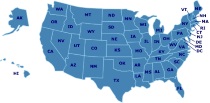
Looking for Another State?
Featured Resources
As an Amazon Associate, we earn from qualifying purchases. We get commissions for purchases made through links on this site.
Life in America

Great Lodges of the National Parks: The Companion Book to the PBS Television Series

I Learn Better by Teaching Myself/Still Teaching Ourselves
